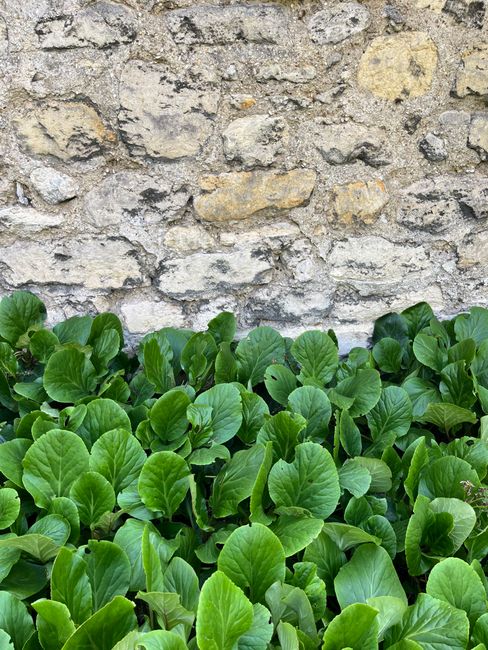
Drury Lane micro garden planting plan by Aldwych gardeners
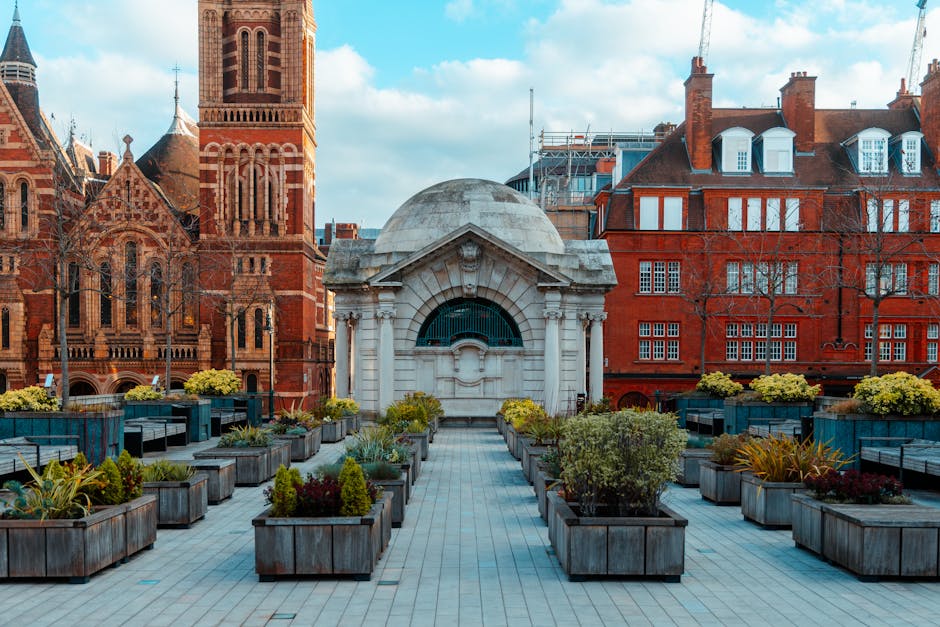
Small outdoor spaces can be surprisingly demanding. A narrow courtyard, balcony edge, tiny front plot, or tucked-away city garden needs more than a few nice plants and a pot or two. It needs a plan that works with shade, wind, foot traffic, root space, and the way London gardens actually behave through the seasons. That is exactly where a Drury Lane micro garden planting plan by Aldwych gardeners earns its keep. It is not about squeezing in more plants for the sake of it; it is about creating a compact planting scheme that feels calm, layered, practical, and alive.
In this guide, we will look at how a micro garden planting plan is built, what makes it successful in a busy central London setting, and how to avoid the usual mistakes that leave small gardens looking cramped or tired. You will also find a step-by-step method, a comparison of planting approaches, and a realistic checklist you can use before you start. If your space is small and a bit tricky, that is not a problem. Truth be told, those are often the most rewarding gardens to get right.
Why Drury Lane micro garden planting plan by Aldwych gardeners Matters
Micro gardens fail for very ordinary reasons: too many large plants, not enough structure, poor soil, and an underestimation of how quickly a tiny space can feel cluttered. In a place like Drury Lane, where outdoor space may be compact and surrounded by buildings, planting has to do several jobs at once. It needs to soften hard edges, handle patchy light, and still leave room for people to move through the space without side-stepping every other pot.
A thoughtful planting plan matters because small gardens magnify both success and failure. Get the scale right, and the whole space feels bigger, calmer, and more finished. Get it wrong, and every container becomes a traffic jam. That is why Aldwych gardeners usually begin with the site, not the wishlist. They look at light levels, drainage, wind funneling, privacy needs, and how the space is used day to day. One person may want a tiny herb-filled retreat for coffee in the morning. Another may want year-round greenery with very low upkeep. Different brief, same principle: the plants must suit the space, not the other way round.
There is also a local reality to consider. Central London gardens often sit against brick, paving, railings, or basement lightwells. These surfaces can create reflected heat in summer and chill in winter, which changes what will thrive. A good planting plan accounts for that instead of fighting it. That is the difference between a garden that merely survives and one that settles in.
For readers exploring related upkeep tasks, a strong planting plan often works best alongside regular garden maintenance and, where grass is part of the picture, sensible lawn care. If the space includes hard landscaping or edging, it may also make sense to consider the wider layout through professional landscaping support.
How Drury Lane micro garden planting plan by Aldwych gardeners Works
The process is straightforward, but it has to be disciplined. A micro garden is not designed from the plant catalogue first. It is designed from the site outward. In practice, the planting plan is usually built in layers:
- Structure layer: permanent shapes such as a compact evergreen, a trained climber, a slender hedge, or a feature pot.
- Mid layer: shrubs, grasses, herbs, or perennials that provide most of the seasonal body.
- Low layer: ground cover, trailing plants, bulbs, or seasonal fillers that knit the look together.
That layering matters because small gardens need vertical rhythm as much as horizontal fill. A wall can carry a climber. A corner can take a columnar shrub. A path edge can soften with low planting. In a tiny plot, each layer has a purpose, and wasted space is rare.
Gardeners in Aldwych typically start with an assessment visit or planning conversation. They map the area, note shade patterns across the day, and check practical constraints such as access for watering, potential overhangs, nearby doors, and how water drains after rain. It sounds slightly fussy, maybe, but in a compact garden fussy is good. The aim is to avoid plants that outgrow the area in six months or collapse when the first cold snap hits.
Once the site is understood, a planting palette is selected. The palette is usually restrained, because too many species can make a small garden feel chaotic. A common mistake is trying to include every favourite plant. Lovely in theory. A bit of a mess in reality.
Good plans also build in maintenance from the start. For example, if the design depends on a clean vertical wall, the plan may need periodic support from hedge trimming in Aldwych or careful pruning of climbers and shrubs. If the garden has been colonised by unwanted growth, then a plan may include clearing invasive material first, which is where advice from our ivy removal guide can be useful for context.
Key Benefits and Practical Advantages
A well-built micro garden planting plan gives you more than visual appeal. It changes how the space functions and how easy it is to live with.
- Better use of limited space: Every planting choice earns its spot.
- Year-round structure: Even when flowers fade, the garden still feels intentional.
- Less maintenance drift: A plan prevents the usual overbuying and overcrowding.
- Improved privacy: Careful planting can soften views from adjacent buildings or passers-by.
- Better microclimate control: Plants can calm wind, reduce glare, and shade hot paving.
- More usable outdoor space: Clear circulation and restrained planting make the garden easier to enjoy.
There is a quiet confidence in a well-planted small garden. You notice it most in the shoulder seasons, when the space still looks composed even if nothing is blooming dramatically. That is usually the sign the plan has been done properly. In spring, you get lift. In summer, you get fullness. In autumn, texture carries the garden. In winter, shape does the work.
Low-maintenance value is a major advantage too. Many Drury Lane properties benefit from thoughtful, affordable, and manageable planting rather than constant rework. If that sounds familiar, it is worth browsing ideas from low-maintenance garden ideas and ground cover varieties suited to UK gardens. Those two themes often solve the same problem: how to keep a compact space looking finished without endless effort.
Who This Is For and When It Makes Sense
This kind of planting plan is ideal if your outdoor space is small, awkward, partially shaded, or used for more than one purpose. It makes sense for people who want a garden that feels designed rather than merely filled.
It is especially useful for:
- flat owners with a courtyard, balcony, or terrace garden
- homeowners with a narrow front or rear plot
- landlords who want a tidy, durable outdoor area
- busy households that want visual impact without constant upkeep
- anyone replacing tired planting that has become patchy or overgrown
A micro garden plan also makes sense if the garden has structural problems. For example, a space with bad sightlines may benefit from compact screening planting. If your main concern is privacy, a planting plan may work in tandem with a broader screening approach such as the ideas discussed in quick-growing hedges for privacy. If the boundary is exposed to wind, then planting should be paired with shelter-minded layout choices, not just pretty flowers.
Let's face it, not every garden needs to be a showcase. Some just need to feel neat, calm, and pleasant to walk into. A compact planting plan is often the easiest route to that result.
Step-by-Step Guidance
Here is the practical sequence Aldwych gardeners tend to follow when building a micro garden planting plan for a Drury Lane setting.
1. Measure the usable space, not just the full space
Start with what you can actually plant into. Allow for doors, bins, seats, steps, and any access points that need to remain clear. In tiny gardens, a missed 30 cm can matter more than you might think.
2. Map light and shade through the day
Write down where the sun lands in the morning, at midday, and late afternoon. A west-facing courtyard can bake in summer. A shaded north-facing space may need texture, leaf shape, and plants that cope without much direct sun.
3. Identify the garden's job
Ask one simple question: what should this space do first? Should it be calming, private, child-friendly, wildlife-friendly, edible, or mainly decorative? A good plan can mix functions, but one primary purpose keeps the planting coherent.
4. Choose a structure plant or two
Pick plants that hold the scheme together all year. Think compact evergreen shrubs, a restrained climber, or a shaped feature in a pot. This is your anchor. Without it, the garden can look temporary.
5. Add seasonal interest in layers
Mix foliage colour, flower timing, and leaf texture rather than chasing bloom alone. In a small space, foliage often carries more weight than flowers. It sounds boring until you see the result, and then it is not boring at all.
6. Build in practical ground cover
Ground cover helps suppress weeds, reduces bare patches, and visually joins the planting together. It is especially handy in narrow spaces where open soil looks unfinished quickly. For more ideas, the article on ground cover for UK gardens is a good companion read.
7. Select pots and containers with discipline
Containers are often essential in micro gardens, but too many sizes and finishes can create visual noise. Keep materials and shapes fairly consistent. If you are new to that approach, container gardening basics can help frame the decisions.
8. Plan irrigation and access
Can you reach the back corner with a watering can? Is there a tap nearby? Are the containers likely to dry out on sunny days? These questions are not glamorous, but they decide whether the planting thrives or turns sulky by July.
9. Install, then observe
After planting, watch the space for a few weeks. Notice where water pools, where plants lean, and where the light is strongest. Small gardens often reveal their character slowly. You do not need to rush the final tweaks.
Expert Tips for Better Results
A few small choices make a disproportionate difference in micro gardens. Here are the ones that usually matter most.
- Use repetition: Repeating a few plants gives the eye somewhere to rest. Three or four repeated species can look more luxurious than ten random ones.
- Prefer foliage first: Flowers are the icing; foliage is the structure. In compact spaces, texture and leaf shape often do the heavy lifting.
- Go vertical where it helps: A wall, trellis, or slender support can add depth without stealing floor area. For a more detailed angle, see vertical gardening for urban spaces.
- Protect the perimeter: Exposed corners can suffer from wind and drying. Soft screening planting can reduce that stress.
- Think in seasons, not shopping trips: Buy with a year-round picture in mind, especially if you want the space to look good in January as well as June.
A useful rule of thumb: in a micro garden, every plant should either earn attention or earn its keep. Ideally both. If a plant is neither, out it goes. A little ruthless, yes. Also necessary.
For a more atmospheric finish, some clients prefer a calmer, almost retreat-like feel. In those cases, ideas from zen-inspired garden design can be adapted to a compact layout without making it feel over-designed.
Common Mistakes to Avoid
Small gardens tend to fail in predictable ways, which is actually helpful. If you know the traps, you can step around them.
- Overplanting: The biggest mistake by far. A small garden can look crowded very quickly.
- Ignoring mature size: A neat young shrub can become an obstacle if it doubles in width.
- Mixing too many colours: A limited palette is usually more effective than a rainbow.
- Forgetting maintenance access: If you cannot reach it, you probably will not care for it well.
- Choosing thirsty plants without a watering plan: Lovely in spring, miserable by midsummer.
- Skipping soil improvement: Thin or compacted soil leaves even good plants underperforming.
One more thing: do not treat bare soil as "space to fill later." In tiny gardens, unfinished areas often become weed magnets and visual dead zones. It is better to plan deliberately for every patch, even if that means using mulch, low planting, or a simple paved edge.
If your garden is already battling persistent weeds, combine the planting plan with practical weed control habits. A concise refresher can be found in weed control essentials. It is not glamorous reading, but it saves headaches later.
Tools, Resources and Recommendations
You do not need a mountain of equipment to build a good micro garden, but a few tools make the work cleaner and easier.
| Need | Recommended approach | Why it helps |
|---|---|---|
| Planning | Notebook, rough sketch, and a tape measure | Keeps scale and access realistic |
| Soil improvement | Organic matter, compost, or well-rotted material | Improves structure and moisture retention |
| Planting | Hand trowel, secateurs, gloves | Makes container and border work easier |
| Support | Trellis, bamboo canes, discreet ties | Helps climbers and taller plants behave |
| Maintenance | Watering can, mulch, light feed | Keeps the garden steady through dry spells |
For people who want to build healthier soil rather than just top it up, the article on creating nutrient-rich soil from organic waste is a smart companion. Soil is the hidden engine of almost every good planting plan, and in small spaces that matters even more.
Sometimes the most useful recommendation is not a plant at all. It is a service or support layer: general gardening services for the core work, patio cleaning where hard surfaces dominate, or even fencing if boundary structure needs upgrading before planting can truly shine. There is no prize for making planting carry problems that belong to layout or maintenance.
Law, Compliance, Standards, or Best Practice
For a planting plan in central London, the main compliance issues are usually practical rather than dramatic. The big ones are access, safety, boundary considerations, and avoiding damage to shared structures or neighbouring property. If a garden sits in a managed block, leasehold environment, or shared access setting, it is wise to check any building or estate rules before installing larger planters, fixings, or climbing supports.
Best practice also matters around safe working and plant choice. Heavy pots should be placed where they will not topple in wind or become trip hazards. Climbers should be trained in a way that does not damage walls or mortar. Where tools, ladders, or elevated work are needed, a professional should work safely and sensibly. You can read more about that approach through the site's health and safety policy and broader insurance and safety information.
It is also good practice to protect wildlife where possible, avoid unnecessary chemical use, and choose plants that suit the conditions rather than forcing a style that demands constant intervention. That is not just kinder; it is more reliable. In most urban gardens, resilience beats drama.
If you are commissioning work, make sure terms, payment details, and expectations are clear before the planting begins. The pages on terms and conditions, payment and security, and pricing and quotes can help set the right tone for a straightforward project.
Options, Methods, or Comparison Table
Not every micro garden needs the same planting style. Here is a simple comparison of three common approaches.
| Method | Best for | Strengths | Trade-offs |
|---|---|---|---|
| Structured evergreen scheme | Year-round neatness and privacy | Reliable shape, low visual clutter, good in winter | Can feel formal if overdone |
| Soft cottage-style mix | Colour, pollinators, and a relaxed look | Rich seasonal texture, friendly feel | Needs more editing to avoid messiness |
| Edible micro garden | Herbs, salad leaves, and kitchen use | Practical, fragrant, easy to enjoy daily | Needs regular harvesting and watering |
For many Drury Lane spaces, the best answer is a hybrid: a structured backbone with a few edible or flowering accents. That gives you clarity without losing character. If privacy is a key issue, one or two carefully placed screening elements can do a lot. If wildlife matters more, a lighter, layered planting style may suit better. If you want a calm retreat, keep the palette tighter and the shapes gentler. Small gardens are not usually improved by trying to be everything at once.
Case Study or Real-World Example
Here is a realistic example based on the sort of compact city space Aldwych gardeners often handle. Imagine a narrow Drury Lane courtyard with a paved floor, a rear wall, and just enough space for two chairs and a small table. The owner wants greenery, privacy, and something that looks good even when they are too busy to fuss over it.
The plan begins with the rear wall. A restrained climber is introduced on support so the wall gains height without taking floor space. The corner nearest the seating area gets a compact evergreen shrub in a pot, chosen for its shape more than its flowers. Along the edges, low planting and a couple of ground-cover species soften the hard paving. A few herbs sit in matching containers near the doorway, where they are easy to water and snip. Nothing is oversized. Nothing is left to chance.
The result is not flashy, and that is the point. The courtyard feels cooler in summer, less exposed, and more deliberate. The owner can sit outside with a coffee in the morning and not feel hemmed in by clutter. The planting also matures in a manageable way, so the garden improves instead of becoming harder to live with. That last part is often underrated.
If the space had begun from scratch with a larger structural rethink, the design may also have benefited from an experienced local team and, where needed, a more comprehensive tidy-up such as tree surgery for overbearing branches or patio cleaning to reset the hard surfaces before planting.
Practical Checklist
Use this checklist before you commit to the final planting plan.
- Have I measured the true usable space, including access routes?
- Do I know where the sun and shade fall during the day?
- Have I chosen one clear main purpose for the garden?
- Do the selected plants suit the light, wind, and soil conditions?
- Have I allowed for mature plant size?
- Is there a mix of structure, mid-layer planting, and ground cover?
- Will I be able to water everything without awkward stretching or damage?
- Have I planned for winter interest, not just summer colour?
- Are pots, colours, and materials visually consistent enough for a small space?
- Have I left enough room to walk, sit, and actually enjoy the garden?
Small checklist, big difference. Really.
Conclusion
A Drury Lane micro garden planting plan by Aldwych gardeners is really about clarity. It takes a tight space and gives it order, atmosphere, and practical value without overcomplicating things. The best plans respect the limits of the site while still making it feel generous. They use scale carefully, rely on structure, and leave enough breathing room for the garden to mature naturally.
Whether you want a quiet retreat, a low-maintenance outdoor room, a privacy-focused corner, or a planting scheme that just feels less chaotic, the same rule applies: plan from the space outward. Choose for the conditions, not for the impulse of the moment. And when in doubt, keep it simpler than you think. Small gardens usually reward restraint.
If you are ready to turn a compact Drury Lane space into something more beautiful and more usable, the next step is straightforward. Get your measurements, note the light, and speak to a local gardening team that understands how to make urban planting work properly in real life.
Get a free quote today and see how much you can save.
Frequently Asked Questions
What is a micro garden planting plan?
It is a planting strategy for a very small outdoor space, built to suit the site's light, scale, access, and maintenance needs. The aim is to make the garden feel balanced and usable, not crowded.
Why does a small garden need a formal planting plan?
Because small gardens show mistakes quickly. A plan helps avoid overcrowding, weak plant choices, and awkward maintenance. It also makes it easier to create year-round structure.
Can a micro garden still feel lush?
Absolutely. Lush does not have to mean packed full. Repetition, layered planting, and good foliage choices can create a rich feel without making the space messy.
What plants work best in a compact central London garden?
The best plants are usually those that suit your exact light and wind conditions. Often that means compact shrubs, climbers, hardy perennials, herbs, and ground cover that does not spread too aggressively.
How much maintenance does a small planting scheme need?
That depends on the style. A structured evergreen plan tends to need less day-to-day attention than a flower-heavy scheme, while edible planting needs more watering and harvesting.
Is container planting better than borders in a micro garden?
Sometimes yes, sometimes no. Containers give flexibility and control, but borders can be more sustainable and less thirsty. Many good designs use both.
How do I make a small garden feel private?
Use layered planting, trained climbers, or compact screening plants rather than tall, dense blocks. Privacy works best when it feels integrated, not bolted on.
What is the biggest mistake people make with micro gardens?
Overplanting. It is the most common issue by a long way. Plants that look tiny in the nursery can become oversized very quickly once established.
Do I need professional help for a planting plan?
If the space is awkward, shaded, overlooked, or already cluttered, professional help can save time and money. A good local gardener will spot practical issues early and avoid costly rework.
How do I keep a micro garden looking good in winter?
Rely on evergreen structure, clean lines, and a few plants with good bark, stems, or winter texture. Winter success is about shape as much as flowers.
Can a micro garden include herbs or edible plants?
Yes, and often that is a smart choice. Herbs in particular work well because they are useful, compact, and easy to harvest close to the kitchen door.
What should I do before planting if the garden is full of weeds or old growth?
Clear the space properly first. Remove unwanted growth, improve the soil, and reset the base before introducing new plants. That gives the new plan a far better chance of lasting.