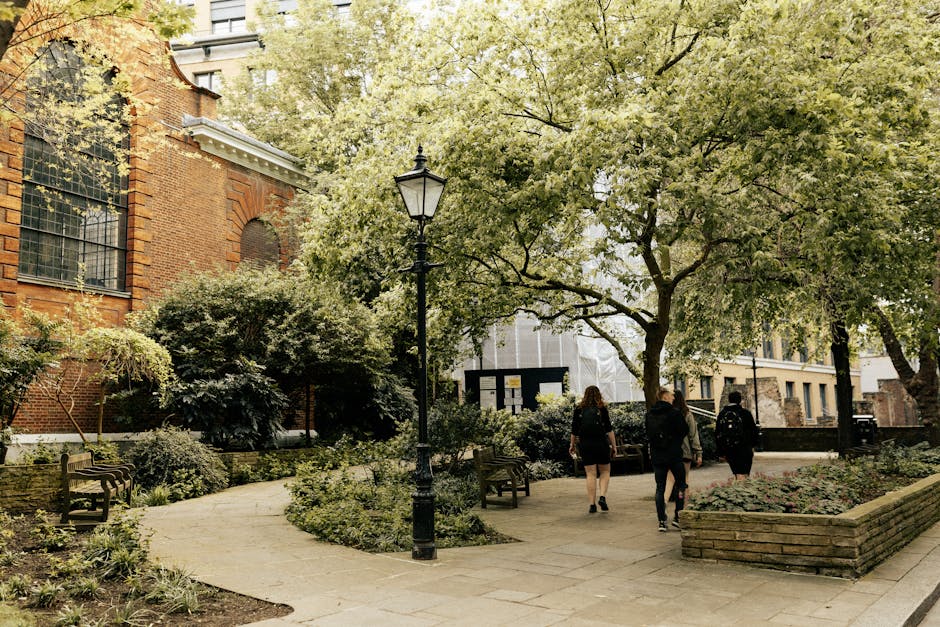
Bow Street Property Managers Guide to Aldwych Garden Services
If you manage property near Bow Street, you already know the small outside spaces can cause outsize headaches. One untidy hedge, a slippery patio, or a lawn that has gone patchy by Thursday can change how a building feels to tenants, visitors, and residents. This Bow Street property managers guide to Aldwych garden services is written for the real-world side of the job: keeping outdoor areas presentable, safe, and easy to maintain without turning every season into a scramble. It covers what garden services usually involve, how to plan them well, the risks people often overlook, and the best way to choose a routine that actually holds up in central London.
There's a practical angle here too. In a busy area, outdoor maintenance is rarely about perfection. It's about consistency, access, and sensible decisions. A well-kept planting bed, a tidy boundary, and a clean hard surface do more than look nice - they help protect the value of the property and reduce avoidable complaints. Let's get into it.
Why Bow Street Property Managers Guide to Aldwych Garden Services Matters
Property managers in and around Bow Street tend to deal with a particular mix of pressures: footfall, limited outdoor space, neighbour expectations, and the sheer speed at which small problems become visible. In Aldwych, a garden or planted frontage is often part of the building's first impression, even if it is only a narrow strip or a courtyard tucked away behind the main entrance.
That matters because outdoor areas are often judged before the reception desk, the letting office, or the flat itself. A crisp hedge line and clean paving say "looked after." A weeded border, broken edge, or overgrown shrub says something else entirely. Not dramatic, but noticeable. And in property management, noticeable is never neutral.
There's also the operational side. Regular maintenance makes it easier to spot drainage issues, damage to fencing, encroaching ivy, weak turf, moss on hard landscaping, or tree-related concerns before they become expensive. If you want a wider maintenance baseline, the broader garden maintenance service approach is usually the most efficient starting point because it keeps routine tasks bundled together rather than dealt with one by one.
To be fair, most managers do not need a "show garden." What they need is repeatable quality. That's the sweet spot: clean, safe, decent-looking, and manageable month after month.
How Bow Street Property Managers Guide to Aldwych Garden Services Works
Garden services for managed properties usually begin with a site review. The aim is simple: understand what the space needs, how often attention is required, and which tasks are worth outsourcing. A courtyard with container planting will need a different plan from a shared rear garden with turf, shrubs, and boundary hedging. Sounds obvious, but it's amazing how often this gets flattened into a generic quote.
In practice, the workflow usually follows a sensible sequence:
- Assess the site - note size, access, surface types, plant condition, and any hazards.
- Define priorities - decide whether the focus is appearance, safety, tenancy appeal, or longer-term improvement.
- Choose service scope - mowing, trimming, weeding, planting, patio cleaning, tree work, or landscaping as needed.
- Set a schedule - weekly, fortnightly, monthly, or seasonal visits.
- Review and refine - adjust after a few visits once the property's rhythm becomes clearer.
For example, a block with small lawns and borders may benefit from a regular lawn care plan rather than isolated one-off mowing. The difference is subtle but important: lawn care looks beyond the cut itself and supports thickness, colour, weeds, and seasonal resilience. If you have ever watched a lawn look better for two days and worse the week after, you know exactly why that matters.
Managers also need to think about communication. Who approves works? Who receives before-and-after notes? Who is informed if pruning exposes rot or a fence panel is failing? Good service delivery isn't just hands-on labour. It is tidy reporting, predictable scheduling, and no last-minute confusion.
Key Benefits and Practical Advantages
The benefits of organised Aldwych garden services go beyond appearances, although that is often the first thing people notice. The most valuable gains are usually practical.
- Consistent presentation: outdoor areas stay neat enough to support the building's overall image.
- Reduced complaints: fewer issues about weeds, bins hidden by growth, mess, or access problems.
- Better safety: clear paths, trimmed sightlines, and less slip risk from moss or debris.
- Early problem detection: broken paving, dead plants, or tree issues get spotted faster.
- Lower long-term cost pressure: regular care often prevents bigger fixes later on.
- Stronger tenant experience: shared spaces feel calmer, cleaner, and more cared for.
A smaller but very real benefit: garden maintenance supports the whole tone of a property. Even a modest planted area can soften hard architecture and make a place feel less transactional. In central London, that counts for a lot. People may not say it out loud, but they notice the difference in a second.
If you are working with compact spaces, you may also want ideas that keep the site attractive without adding heavy upkeep. The blog on low-maintenance garden ideas is a useful companion read, especially if the brief is to improve impact without creating extra work for your team.
Expert summary: In managed properties, the best garden service is rarely the fanciest one. It is the one that protects appearance, reduces reactive problems, and fits the property's access and staffing reality.
Who This Is For and When It Makes Sense
This guide is especially relevant for block managers, letting agents, resident associations, commercial landlords, and portfolio owners with outdoor areas that need dependable upkeep. It also helps where the outside space is shared, hard to access, or simply too small to justify a full-time in-house team.
You are probably a good fit for structured garden services if any of the following sounds familiar:
- tenants keep reporting weeds, overgrowth, or slippery paving
- a property looks tired from the street even though the interiors are well maintained
- staff are handling light garden work but it is inconsistent
- there are hedges, trees, or shrubs that need specialist attention
- you need a service that can scale up seasonally
It also makes sense if you manage a mixed-use building where outdoor presentation affects commercial foot traffic. A tidy frontage can genuinely change the feel of an entrance. Small detail, big mood shift.
For properties with boundary planting or privacy concerns, a service that understands hedge management can be particularly useful. If privacy screening is part of the brief, this piece on fast-growing hedge options for privacy can help you think through long-term structure rather than just short-term tidying.
And if the site has been left to drift, don't panic. It happens. There is usually a way back from "overlooked" to respectable without ripping everything out. Sometimes the first win is just getting the space under control again.
Step-by-Step Guidance
Here is a practical way to approach Aldwych garden services as a property manager, without getting bogged down.
1. Walk the site with a clear purpose
Do not just glance at the garden on the way to another meeting. Walk it slowly. Look for overgrowth, trip hazards, blocked drainage, dead patches, broken edging, and anything that might affect residents or cleaners. Morning light is often best because it shows moss, litter, and uneven surfaces more clearly.
2. Separate "must-fix" from "nice-to-improve"
That distinction keeps budgets sane. Must-fix items are safety, access, and basic presentation. Nice-to-improve items are enhancement works, planting refreshes, and design tweaks. You can always layer those in later.
3. Match the service to the surface
Lawn areas, patios, beds, hedges, decking, and trees all need different care. A property with mixed surfaces often does better with a blended service rather than one broad visit that tries to do everything in a rush.
4. Agree seasonal priorities
Spring growth, summer watering stress, autumn leaf drop, and winter plant protection all create different workload spikes. If you want a better sense of seasonal lawn rhythm, year-round lawn care tips are especially helpful for planning recurring visits.
5. Build in reporting
Ask for simple visit notes. What was completed? What was spotted? What needs a follow-up? This saves time later, and honestly it stops the "nobody told me" cycle that every property manager knows too well.
6. Review after the first month
Once the service has settled in, check whether the frequency is right. Some properties need a tighter schedule in spring and a lighter touch in winter. Others need the opposite because of shade, wind, or heavy footfall. There is no single perfect model.
Expert Tips for Better Results
The best results usually come from small, disciplined decisions. Not dramatic ones.
- Keep the brief short and specific. Say what matters most: presentation, safety, privacy, access, or tenant satisfaction.
- Use seasonal visit patterns. More frequent visits in spring and early summer often prevent the site from getting ahead of itself.
- Protect the boundary line. Hedges, fences, and climbers can make or break a shared space. If a boundary is failing, fix that early.
- Don't neglect hard surfaces. A spotless patio can make a garden feel twice as good. See the dedicated patio cleaning service if moss, algae, or surface staining is part of the issue.
- Choose planting that fits the light. Shade, wind, and drying conditions matter more than people expect.
- Keep a small reserve budget. That way you can respond if a hedge needs extra work or a bed needs replanting after harsh weather.
One very practical tip: think in layers. First layer is safe and tidy. Second layer is healthy and functional. Third layer is attractive and characterful. If a space only reaches layer one, fine. If it reaches layer two, even better. Layer three is the bonus round.
For managers trying to make a small site feel calmer and more coherent, the ideas in this guide to harmonious garden design can be surprisingly useful, even if you are not building anything zen in the literal sense. It is really about reducing visual noise.
Common Mistakes to Avoid
A lot of garden problems in managed properties are not caused by neglect alone. They come from well-meaning shortcuts.
- Booking reactive visits only. Waiting until the space looks bad usually costs more and creates more tension.
- Ignoring access details. Locked gates, narrow entrances, and resident timings can turn a simple visit into a frustrating one.
- Assuming all plants should be treated the same. Established shrubs, climbers, turf, and containers have very different needs.
- Over-pruning for convenience. Heavy-handed cuts can make hedges look thin or expose weak growth. If hedging is a key feature, a specialist approach such as hedge trimming in Aldwych is worth considering.
- Forgetting winter preparation. A few simple steps now can avoid plant loss later. The advice in protecting plants in winter is worth revisiting before the cold sets in.
- Mixing too many objectives. A site cannot be both ultra-low-maintenance and highly decorative without careful planning. Something has to give.
There is also a quieter mistake: failing to tell contractors what "good" looks like for the property. One manager may want crisp lines and formal symmetry; another may prefer a softer, more natural look. If nobody says it, the result can be technically tidy but still wrong for the building. Been there, seen that.
Tools, Resources and Recommendations
Property managers do not need to become gardeners, but a little knowledge goes a long way. The right tools and reference points make communication easier and help you spot issues sooner.
- Photo records: take before-and-after pictures from the same angle to track progress.
- Simple maintenance log: note visit dates, recurring issues, and seasonal tasks.
- Surface-specific understanding: lawns, beds, decking, and patios each age differently.
- Risk checks: look for slippery patches, loose edging, low branches, and blocked sightlines.
- Planting notes: record what thrives in shade, wind, or dry pockets.
If you are improving a compact courtyard or a small side return, container planting can be a smart option because it is flexible and easier to refresh over time. The article on gardening with containers is a nice starting point for that sort of planning.
For properties with difficult or awkward spaces, a good contractor should also help with practical improvement work, not just routine cutting. That might include tidying, replanting, structural fixes, or broader landscaping support where the existing layout no longer serves the building.
And if the garden is in a windy pocket or exposed corner, a little screening can make all the difference. Sometimes the answer is not more planting everywhere, but the right barrier in the right place.
Law, Compliance, Standards, and Best Practice
For property managers, garden work is not just about appearances. It sits alongside duty of care, safe access, and sensible risk management. The exact obligations depend on the building, ownership structure, and how the work is being arranged, so it is wise to treat this as a best-practice area rather than a one-rule-fits-all situation.
In practical terms, you should expect clear communication around safety, access, and working methods. That usually includes:
- safe use of tools and equipment
- appropriate handling of waste and green waste removal
- care around residents, visitors, and passers-by
- attention to trip hazards and slippery surfaces
- careful management of pruning, cutting, and lifting work
Reputable providers should also be able to discuss insurance, working practices, and complaint handling in plain English. That is not overkill; it is basic professionalism. If you need to review those expectations internally, the site's insurance and safety information, along with the health and safety policy, can help frame your own procurement checks.
It can also be useful to understand how a contractor handles payments, terms, and privacy. Those are boring topics until something goes wrong, and then they become the first things people ask about. A quick look at payment and security, terms and conditions, and privacy policy is never wasted time.
If your team handles residents or commercial tenants, accessibility should also stay on the radar. Clear access routes, sensible timing, and minimal obstruction are part of good service delivery, not extras.
Options, Methods, or Comparison Table
Different properties need different approaches. The table below shows a simple way to compare common service styles.
| Approach | Best for | Strengths | Trade-offs |
|---|---|---|---|
| One-off tidy-up | Overgrown or neglected spaces | Fast reset, useful before inspections or lettings | Does not solve ongoing maintenance needs |
| Regular maintenance visits | Shared gardens, courtyards, frontages | Consistent presentation, fewer surprises | Needs planning and a recurring budget |
| Seasonal improvement plan | Sites that change with the weather | Good for planting, pruning, and lawn recovery | Requires review across the year |
| Blended maintenance and landscaping | Properties needing both upkeep and upgrades | Better long-term value, more coherent finish | Usually more involved to scope properly |
If you are weighing up presentation against maintenance burden, a light-touch design refresh can sometimes be better than chasing constant upkeep. The article on low-maintenance ideas is especially relevant for that decision.
For boundary work, the choice often comes down to hedging, fencing, or a combination. A stronger edge can improve privacy and reduce visual clutter, while also making the property easier to manage. The dedicated fencing service is worth considering where boundaries are starting to look tired or insecure.
Case Study or Real-World Example
Here is a realistic scenario from the kind of work property managers face all the time.
A Bow Street-managed building has a small rear courtyard, a narrow planted frontage, and a patch of lawn that gets constant wear near the entrance. Residents have complained that the space looks neglected by midsummer. Not disastrous, just tired. The front hedge has become uneven, the patio is slippery in shaded spots, and ivy has started to wander where it should not. Nothing unusual there, really.
The fix was not a full redesign. It was a sensible sequence of actions:
- clear the weeds and debris
- reduce ivy pressure before it tightened further
- reshape the hedge for a cleaner line
- clean the patio and improve drainage checks
- introduce a maintenance schedule rather than waiting for complaints
Once the basics were under control, the manager chose a few durable planting additions and set seasonal review points. The result was not flashy, but the building looked calmer and more cared for. That is usually the win in property management: fewer surprises, fewer complaints, better feel. Simple, but not easy.
For difficult climbing growth, the best move is usually to tackle it decisively rather than letting it keep spreading. The guide on eradicating ivy permanently is useful background if that has become a recurring issue.
Practical Checklist
Use this checklist before agreeing or reviewing a garden service plan for a Bow Street property.
- Have you identified the most important outdoor areas?
- Do you know which issues affect safety, access, or presentation?
- Have you separated urgent fixes from longer-term improvements?
- Is the service scope clear: mowing, weeding, hedges, patios, trees, or landscaping?
- Have you chosen a realistic visit frequency?
- Do you know who approves work and who receives updates?
- Has access been confirmed for gates, keys, and resident timings?
- Are seasonal tasks planned in advance?
- Is there a simple way to review progress?
- Have safety, insurance, and payment terms been checked?
Quick takeaway: the best outcomes come from clear expectations, regular visits, and a service scope that fits the property rather than forcing the property to fit the service.
If you are ready to improve a site, simplify ongoing maintenance, or stop garden issues from becoming repeat complaints, start with a straightforward review and move from there. A short conversation now can save a lot of awkward back-and-forth later.
Get a free quote today and see how much you can save.
Conclusion
For Bow Street property managers, Aldwych garden services are about more than keeping things tidy. They help protect presentation, reduce complaints, support safety, and keep outdoor areas working as they should. In a dense, visible part of London, that reliability matters. A lot.
The best approach is usually the most grounded one: assess the space carefully, choose a service that fits real usage, and keep one eye on seasonal change. Do that well, and the garden stops being a recurring headache and starts acting like a quiet asset instead.
And that, in the end, is the point. A well-kept outdoor space makes a building feel looked after before anyone even says hello.
Frequently Asked Questions
What does a Bow Street property manager need from Aldwych garden services?
Usually, consistency, clear reporting, safe working practices, and enough flexibility to handle seasonal changes. Appearance matters, but reliability matters just as much.
How often should a managed property garden be maintained?
It depends on the site. Busy frontages and fast-growing planting often need more frequent visits, while smaller or simpler spaces may do well with a lighter schedule. Seasonal growth usually changes the answer.
Is regular garden maintenance better than one-off visits?
For most managed properties, yes. Regular visits help prevent problems rather than just fixing them after they become obvious. One-off work is useful, but it is usually best as part of a wider plan.
Can garden services help with tenant complaints?
Definitely. Many complaints are really about overgrowth, mess, access, or poor presentation. A consistent maintenance plan can reduce those issues quite quickly.
What should be included in a garden maintenance brief?
Include the key areas to be maintained, the expected standard, access arrangements, timing preferences, and any known problem spots such as ivy, moss, or uneven paving. The clearer the brief, the better the result.
Do property managers need to worry about safety with garden work?
Yes. Safety covers access, tools, trip hazards, slippery surfaces, and the impact of works on residents or visitors. Good providers should be comfortable discussing this in plain language.
What if the property garden has been neglected for a long time?
That is common enough. A reset visit can usually bring things back under control, followed by a regular plan so the space does not slide again.
How do I know whether to choose gardening, landscaping, or lawn care?
Think about the main issue. Gardening services suit planting, weeding, pruning, and general upkeep. Lawn care focuses on turf health. Landscaping is better for layout changes or more structural improvements.
Should hedges be treated as a separate service?
Often, yes. Hedges can affect privacy, light, boundaries, and the overall shape of the site. If they are a major visual feature, it helps to treat them as a specific workstream rather than a quick afterthought.
What is the biggest mistake property managers make with garden care?
Waiting too long. Once a space has drifted into visible decline, the work becomes more reactive, more expensive, and more stressful. A small, regular plan is usually the better route.
Can small courtyard spaces still benefit from professional garden services?
Absolutely. Small spaces often benefit even more because every issue is visible. A compact courtyard can look excellent with the right maintenance, planting, and surface care.
Where should I start if I want to improve a property garden this month?
Start with a site walk, write down the top three issues, and decide what must happen now versus later. From there, arrange a maintenance plan that fits the property's actual use and access.